
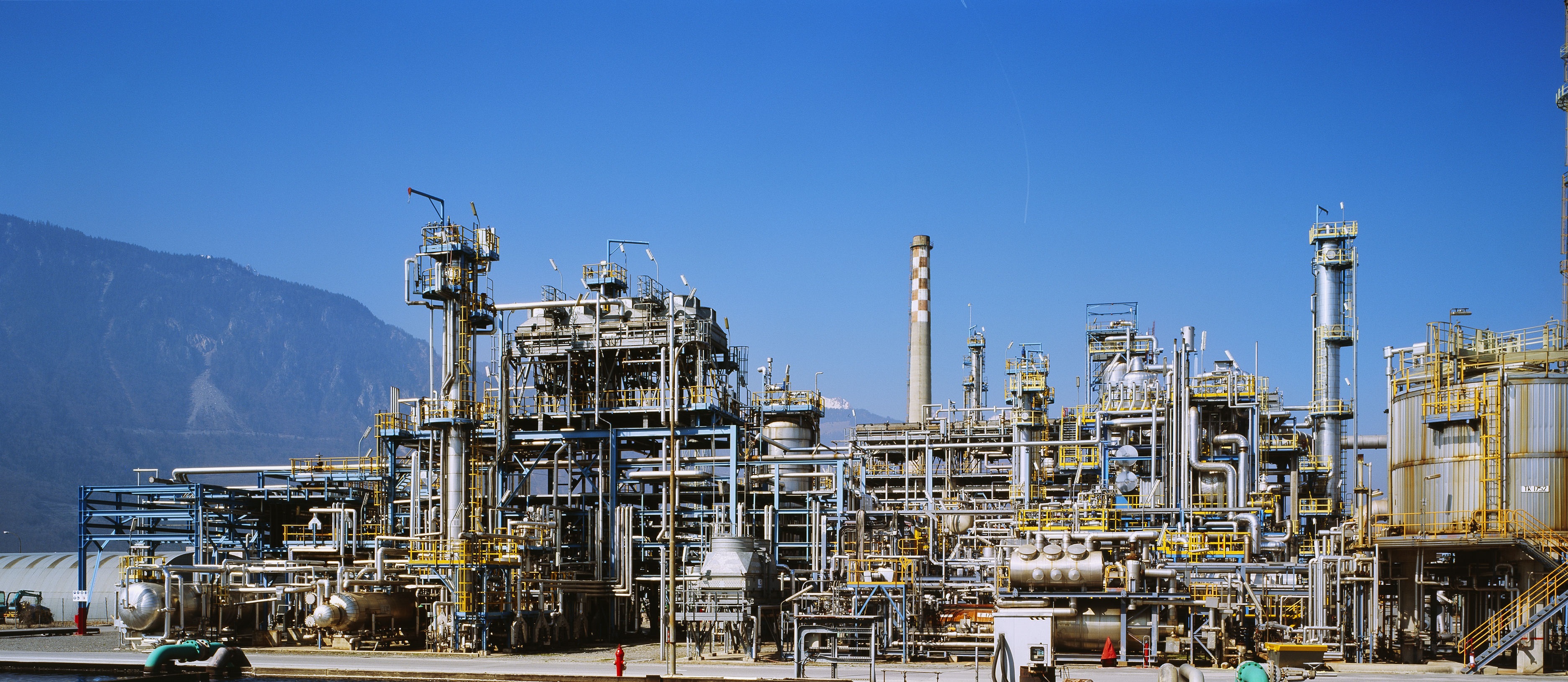
Turning Refinery Decommissioning into Opportunity: The Sale and Relocation of a European Oil Refinery
PRIOS transformed a planned oil refinery decommissioning into a commercially successful industrial asset sale and relocation project. Instead of demolishing the refinery and recovering only its scrap value, we assessed its reuse potential, developed the relocation concept, identified an overseas buyer and supported the project through dismantling and preparation for shipment.
Faced with changing market conditions and long-term expectations of declining fossil-fuel consumption, a major European industrial group decided to retire selected refining assets. Independent market forecasts indicated an increasingly challenging outlook for conventional fuel products. The group therefore resolved to close one of its major oil refineries and redevelop the site as a logistics and product-storage hub.
The decision required extensive and costly measures, including refinery decommissioning, site remediation and the removal of major plant assets. Rather than proceeding directly with demolition and scrap recovery, the owner evaluated whether the refinery could retain significantly greater value through reuse at another location.
Enter PRIOS: A Commercial Alternative to Demolition
PRIOS was introduced through the owner’s strategic advisory team to assess an alternative to conventional refinery demolition.
Our proposal was straightforward: the planned site redevelopment and remediation would continue, while PRIOS evaluated whether the complete refinery or its principal process units could be sold for relocation within a defined period. This approach preserved the owner’s redevelopment schedule while creating the opportunity to recover substantial additional value from the existing industrial assets.
PRIOS subsequently carried out a comprehensive project identification and pre-feasibility study. This included a technical assessment of the refinery, definition of the transferable scope and a relocation cost estimate with an accuracy range of approximately ±30%.
The study provided qualified prospective buyers with a clear understanding of the refinery’s technical configuration, remaining value, dismantling requirements, relocation costs and overall investment case. It also established a structured basis for the international marketing and sale of the refinery.
A Successful Refinery Sale and a Strategic Win
Following approximately two years of targeted market development, technical clarification and commercial negotiations, the refinery was successfully sold to an overseas buyer.
The proceeds from the industrial asset sale were sufficient to cover the planned costs of site remediation and redevelopment into the new logistics and storage hub. What had initially represented a substantial decommissioning liability was therefore transformed into a revenue-generating transaction.
The refinery was in excellent technical condition and had achieved operational performance exceeding 97%. With a Nelson Complexity Index of approximately 9.9, it offered a sophisticated configuration capable of processing different crude qualities and producing a broad range of higher-value products.
This made the plant particularly attractive for markets seeking to expand domestic refining capacity, reduce dependence on imported fuels and achieve a shorter project schedule than would have been possible with a comparable new-build refinery.
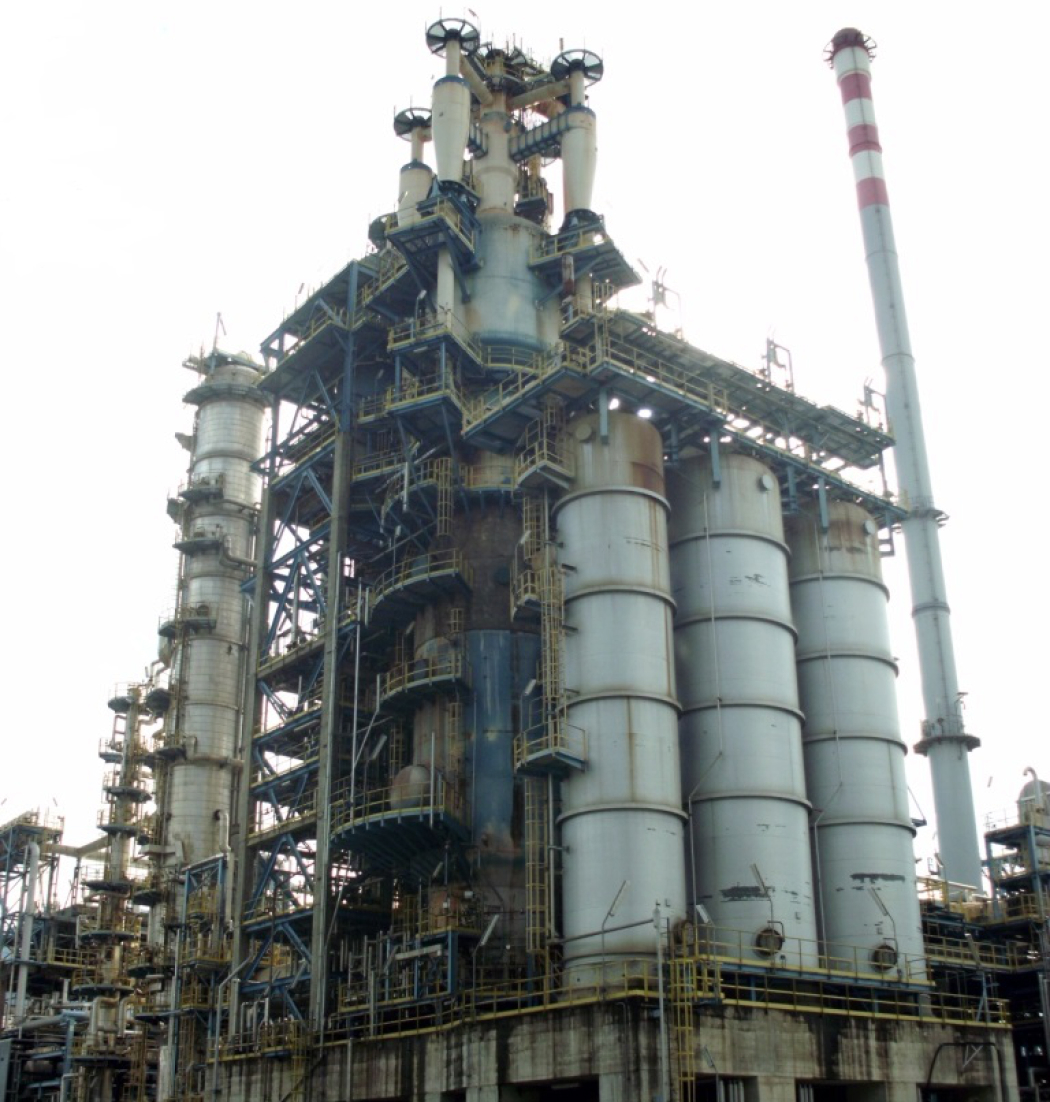
A Masterpiece of Process Engineering
At the heart of the refinery was a residue catalytic cracking unit commissioned in the late 2000s and therefore comparatively young in relation to the overall plant.
The refinery also included a 25 MW combined-cycle power plant, a polynaphtha unit and advanced gasoline treatment facilities. Together, these installations enabled the production of fuels meeting Euro 5 quality requirements.
The plant had been designed and operated in accordance with stringent European technical, environmental and product-quality requirements. Its high level of process integration and conversion capacity allowed it to process a wide range of crude feedstocks while maximising the production of higher-value products.
These characteristics significantly strengthened the refinery’s international marketability and made relocation commercially attractive despite the complexity of the dismantling and transportation scope.
Expert Refinery Dismantling and Relocation
Following completion of the sale, PRIOS worked with its long-standing network of specialist subcontractors to develop and implement the refinery dismantling, packing and logistics concept.
The dismantling programme was completed over approximately 20 months. The process units, including the technically complex residue catalytic cracking unit, were systematically dismantled, documented, preserved and prepared for overseas shipment.
The total scope comprised approximately 27,000 tonnes of plant steel and equipment, around 1,200 containers, approximately 800 over-dimensional loads and roughly 2,000 tonnes of cables.
The equipment was transported to the Port of Antwerp for onward shipment to its new destination. Close coordination between the owner, buyer, engineering teams, dismantling contractors and logistics providers ensured controlled execution across the various technical and commercial interfaces.
A Clear Path from Decommissioning to Reuse
This refinery relocation project demonstrates how industrial decommissioning can be transformed from a pure cost burden into a commercially valuable transaction.
By identifying the refinery’s remaining technical and market value before demolition, PRIOS helped the owner recover substantial value from the assets while continuing with the planned redevelopment of the site.
At the same time, the buyer gained access to a technically advanced refinery configuration at a fraction of the investment and delivery time required for a comparable new-build project.
PRIOS combined technical assessment, commercial positioning, international buyer identification and execution planning within one structured process. Our network of engineers, dismantling contractors and logistics specialists enabled the project to progress from initial project identification through sale, dismantling and preparation for overseas delivery.
At PRIOS, we develop tailored solutions for complex industrial assets – from early project identification and feasibility assessment to industrial plant sales, dismantling, relocation and final delivery.
Frequently Asked Questions
Can a decommissioned oil refinery be sold for relocation?
Yes. A refinery may retain substantial value if its process configuration, condition, documentation and remaining operating life are suitable for reuse. A technical and commercial assessment is required before dismantling begins.
What is a Project Identification Study?
A Project Identification Study evaluates whether an industrial plant can be sold and relocated economically. It typically examines the plant configuration, condition, transferable scope, potential markets, dismantling requirements, logistics, relocation costs and principal project risks.
Why sell a refinery instead of demolishing it?
A refinery sale can generate significantly greater value than scrap recovery. It may also reduce the owner’s net decommissioning cost while giving the buyer access to proven equipment with a shorter implementation schedule than a new-build facility.
How long does refinery dismantling and relocation take?
The schedule depends on the refinery’s size, complexity, documentation and destination. In this project, dismantling and preparation for shipment were completed in approximately 20 months.